
Why sleep wellness begins with architecture
When people talk about sleep wellness, they often focus on routines and rituals. We’re encouraged to limit screen time, practise mindfulness, reduce our caffeine intake as the day goes on, or invest in a better mattress. While each of these obviously does play a valuable role, they overlook a more fundamental question: what kind of environment are we sleeping in?
The rise of sleep tourism
Architecture has always shaped human behaviour: it influences how we move, interact, and feel – often without us consciously noticing. Sleep is no exception. Before we close our eyes, our surroundings have already begun to prepare our minds and bodies for rest, or, sometimes, to keep them alert.
As interest in sleep tourism continues to grow, the relationship between design and wellbeing becomes more relevant. Recent research highlighted by Skyscanner shows that more people are choosing accommodation based on features that promote better sleep, from blackout curtains and soundproofing to wellness programmes and sleep-focused retreats.
Rather than viewing sleep as an incidental part of a holiday, travellers are beginning to see it as a reason to travel in itself.
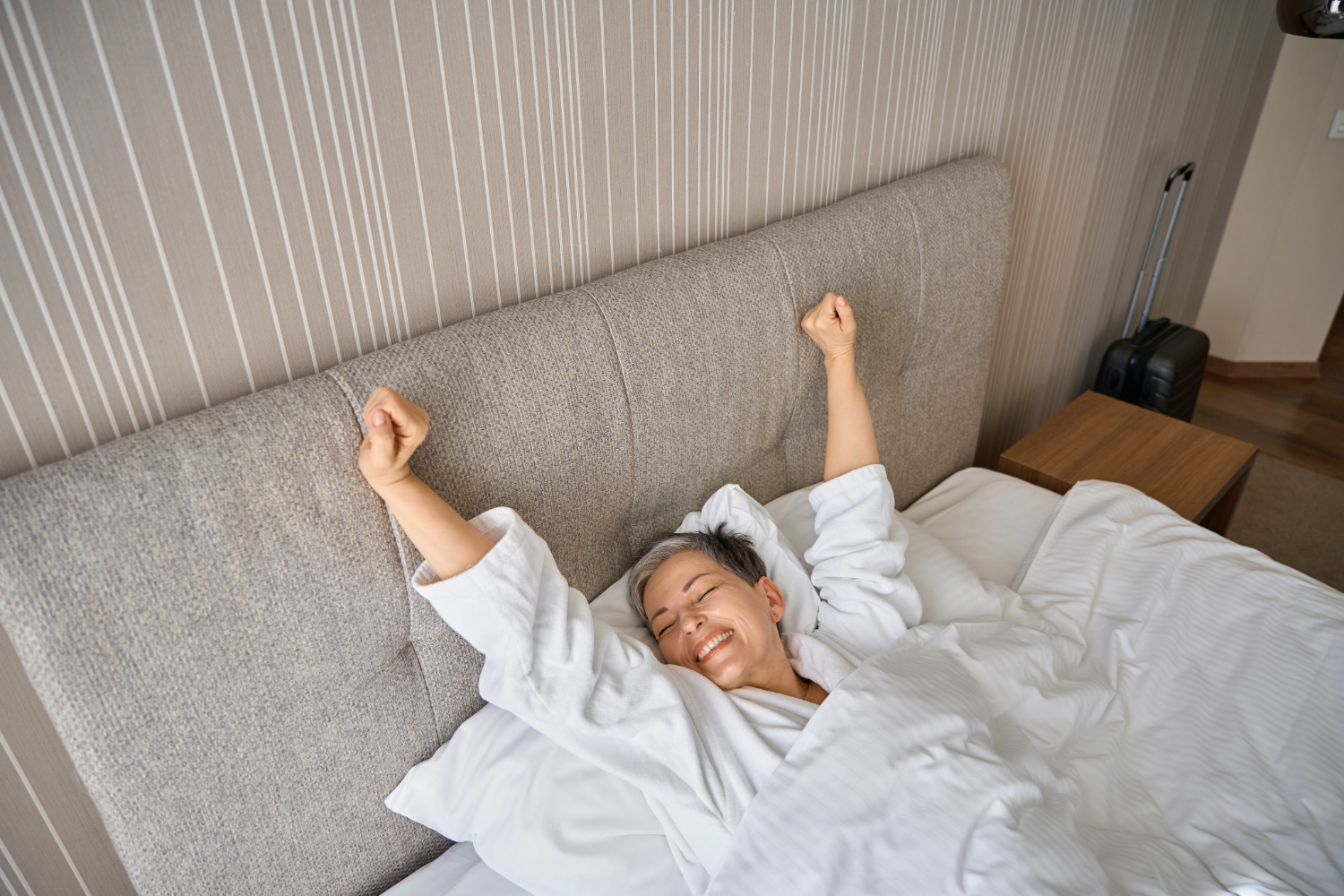
How can architecture improve sleep quality?
Sleep wellness can’t just be added to a hotel like some other amenity – it begins much, much earlier, with the architectural vision. A genuinely restorative environment is created through the careful orchestration of space, light, materials and atmosphere:
- Natural daylight helps regulate circadian rhythms throughout the day.
- Thoughtful lighting design gently supports the body’s transition into the evening.
- Acoustic comfort reduces the intrusion of unwanted noise, allowing the mind to relax rather than remain unconsciously alert.
- Ventilation, temperature stability and air quality all contribute to creating conditions in which sleep can occur naturally rather than being forced.
Equally important is the emotional response that architecture evokes. A cluttered or visually overwhelming environment can keep the senses stimulated long after the day has ended, while spaces that embrace simplicity, balanced proportions and natural materials encourage a sense of calm. This isn’t about minimalism for its own sake, but about designing environments that reduce the cognitive load.
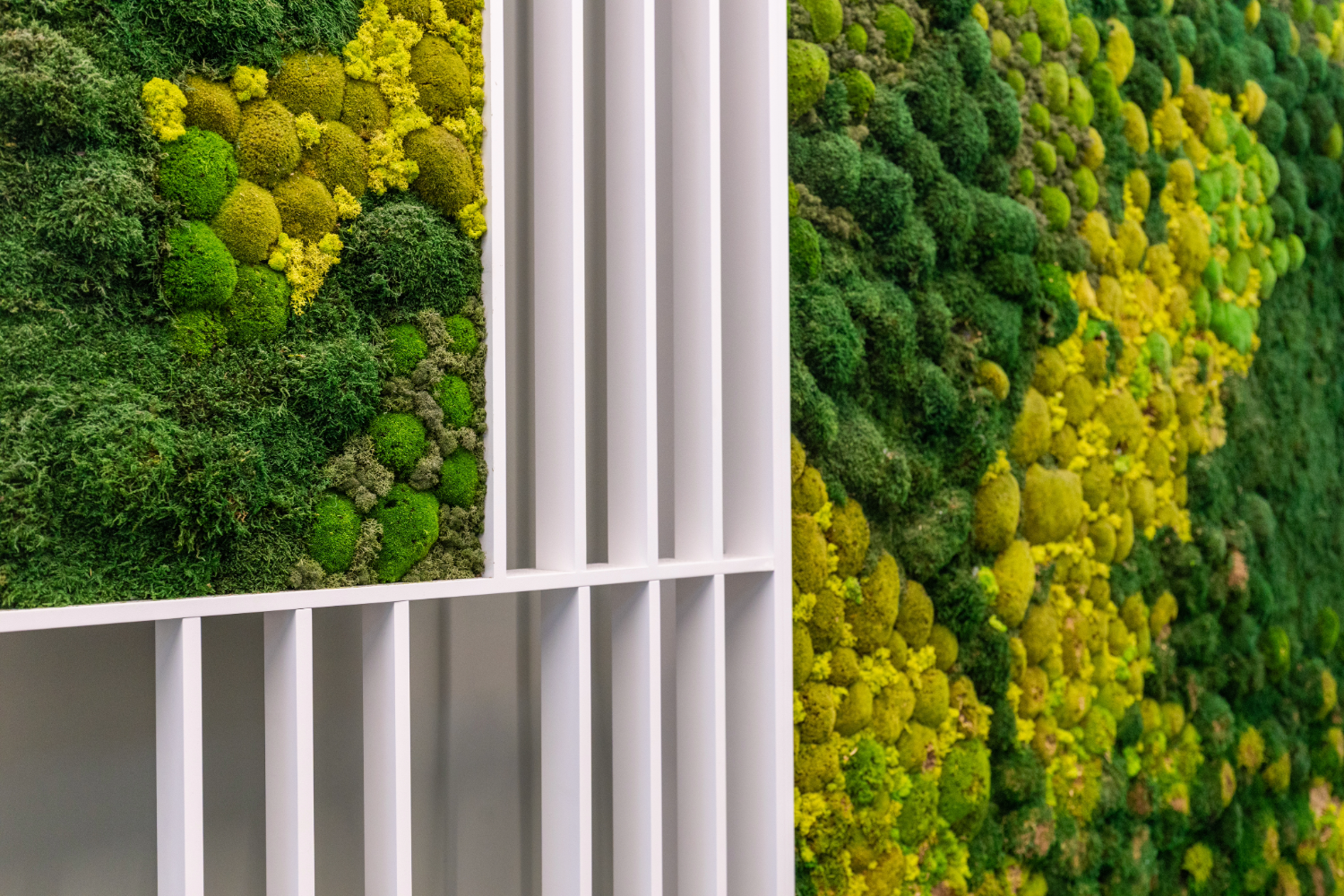
Nature also plays an important role – having views of greenery, access to gardens, water features, and the considered use of biophilic design all strengthen our connection with the natural world, helping to lower stress levels and promote relaxation. These qualities have long been present in thermal destinations and wellness retreats, where architecture works in harmony with landscape rather than competing against it.
The opportunity for architects
The growing popularity of sleep tourism demonstrates that travellers increasingly recognise the value of these experiences, but the lesson extends well beyond hospitality. Whether designing a private residence, a boutique hotel or a comprehensive wellness destination, architects have an opportunity to create spaces that actively support healthier living.
This requires moving beyond the traditional understanding of indulgence. For many guests, the greatest luxury isn’t about excess or spectacle but rather the opportunity to disconnect, slow down and experience genuine restoration. In this sense, sleep becomes more than a biological necessity – it becomes an indicator of whether a space is really responding to human needs.
 If architecture can reduce stress before bedtime, encourage healthy daily rhythms and create an atmosphere of psychological comfort, then it’s already contributing to better health long before any wellness treatment begins. Thus, the future of wellness architecture lies in designing places that help people feel better, and, as interest in sleep-focused travel grows, wellbeing will increasingly become a defining measure of quality within hospitality.
 Sam Evans
Sam is a travel writer who has spent a lot of time travelling through South East Asia and South America; Sam also loves a good night’s sleep wherever she is.