
European Spa reveals the 10 top SPA trends for 2026
Over the next 12 months, the spa industry will be influenced by significant changes in consumer demand and confidence. From robot massages to psychodermatology and the search for joy, European Spa outlines the key shifts to watch.
The spa industry is constantly evolving, and with an increasing focus on longevity services there is both great opportunity and pressure for spas to tap into the next big thing. Wellness hospitality is also being redefined as families travel together in search of health and wellbeing. At the same time, demand for solo travel is rocketing, particularly among younger generations.
Med-cations look set to continue to thrive as preventative health clinics expand their presence across the globe, attracting new clients who are focused on extending their healthspan. And as spirituality gains ground in the public consciousness – as well as backing by science – the vital role of purpose and joy is being acknowledged in the development of longevity concepts.
Scientific advances will inform everything from skincare products and treatments to recovery programming and retreats, while the growth in popularity of weight-loss injections continues to shape the delivery of services and how guests access them. As places for education, advice and therapeutic coaching, spas can play a vital role in the long-term management of health outcomes for the people they serve. And while human touch will always remain at the core of every spa experience, technological advances such as robotics or AI are certain to become more established.
European Spa reveals ten trends that will define successful spa programming in the year ahead.
The rise of multi-generational travel
Family groups are increasingly travelling together to pursue their wellness goals
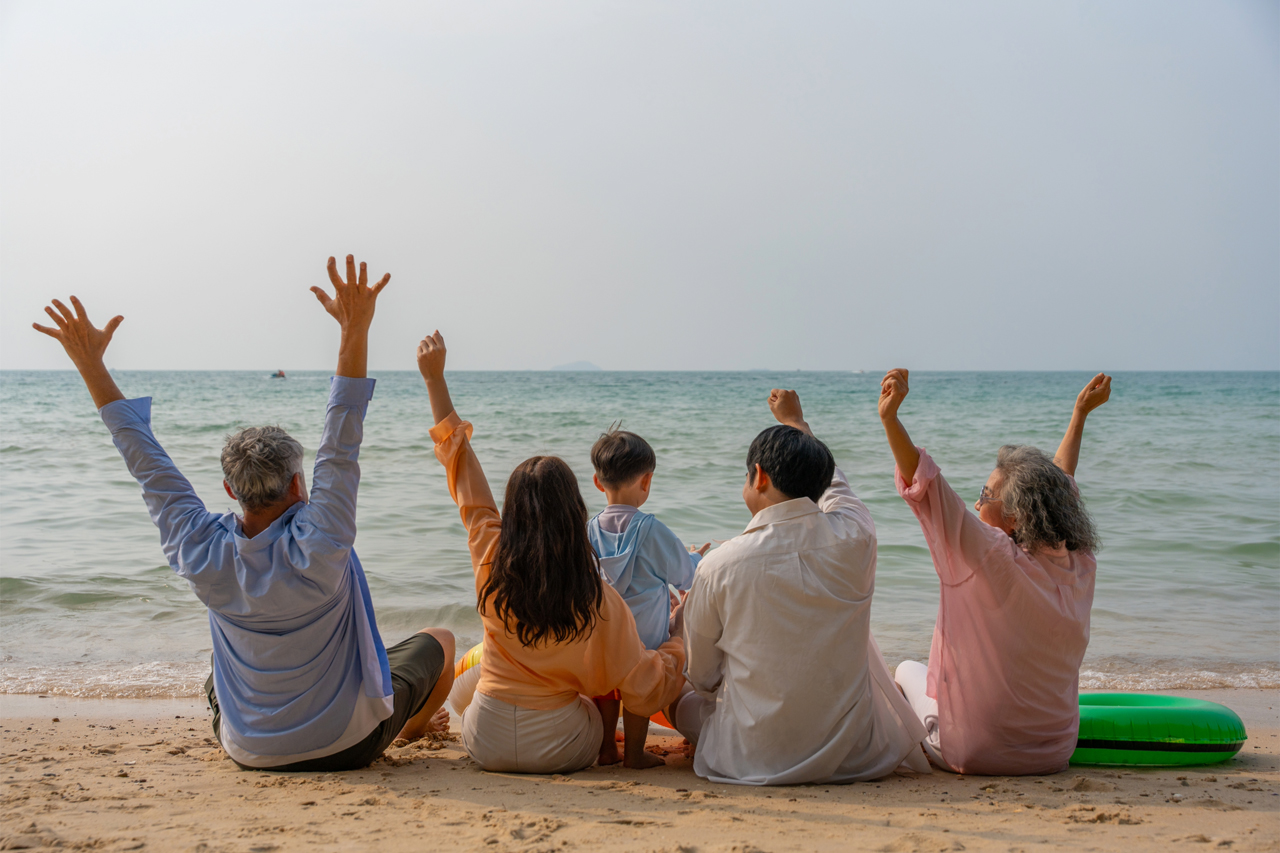 Grandparents, parents and children are travelling as groups not just for leisure, but also for wellness. According to Preferred Hotels & Resorts, 71 per cent of luxury travellers are planning cross-generational trips in the coming years.
“Inter-generational wellness retreats are being driven by a desire for meaningful reconnection through shared wellbeing experiences,” says Piyarat Tanjaputkul, executive vice-president of health and wellness at RXV Wellness Village in Thailand.
Experiences can include recreational activities, spa treatments, fitness classes, nature walks, art, storytelling, mindfulness, yoga, sound healing and breathwork. […]
“Intergenerational wellness retreats offer benefits that extend well beyond the traditional holiday. They create meaningful opportunities for families to reconnect, free from distraction,” Tanjaputkul concludes.
WHAT IT MEANS FOR SPAS…
Properties catering to families have the opportunity to extend their wellness services to a wider demographic. With good planning and communication, new revenue streams can flow from this growing trend.
Sober-curious guests pour into spas
A societal shift in attitudes toward alcohol is set to impact the spa market
 Sales of low and non-alcoholic drinks continue to grow and European Spa believes spas can benefit from this. The global market was valued at around $25 billion (£18.6 billion/€21 billion) in 2024, according to Insightace Analytic, and is forecast to reach $46 billion by 2034.
Millennial and Gen Z consumers are swapping regular alcohol use for alternatives, especially in the US, UK and Europe. It’s not a trend limited to younger generations, but this is where demand is growing fastest.
“People are more aware that alcohol undermines the sleep, clarity and performance they increasingly prioritise, especially as wellness habits rise,” says Harrison Hide, co-founder of Long Lane, a UK-based wellness-first, alcohol-free private members club and hotel set to open in spring 2026.
The spa market has been split on the availability of alcohol, with many resorts using it as a way to generate revenue despite potential negative effects on the wider customer experience. Other issues include the contraindication of alcohol to many thermal experiences.
“Social connection is shifting too,” Hide adds. “Younger generations drink less but still seek community through running clubs, wellness events and activity-based gatherings. At the same time, alternatives to alcohol have improved dramatically.” […]
WHAT IT MEANS FOR SPAS…
As the intake of alcohol continues to fall, spas need to carefully consider their offering for younger audiences who express a more sober-conscious attitude to wellness.
The boom in solo travel for self-care
Travelling alone is on the rise – especially for female wellness-seekers
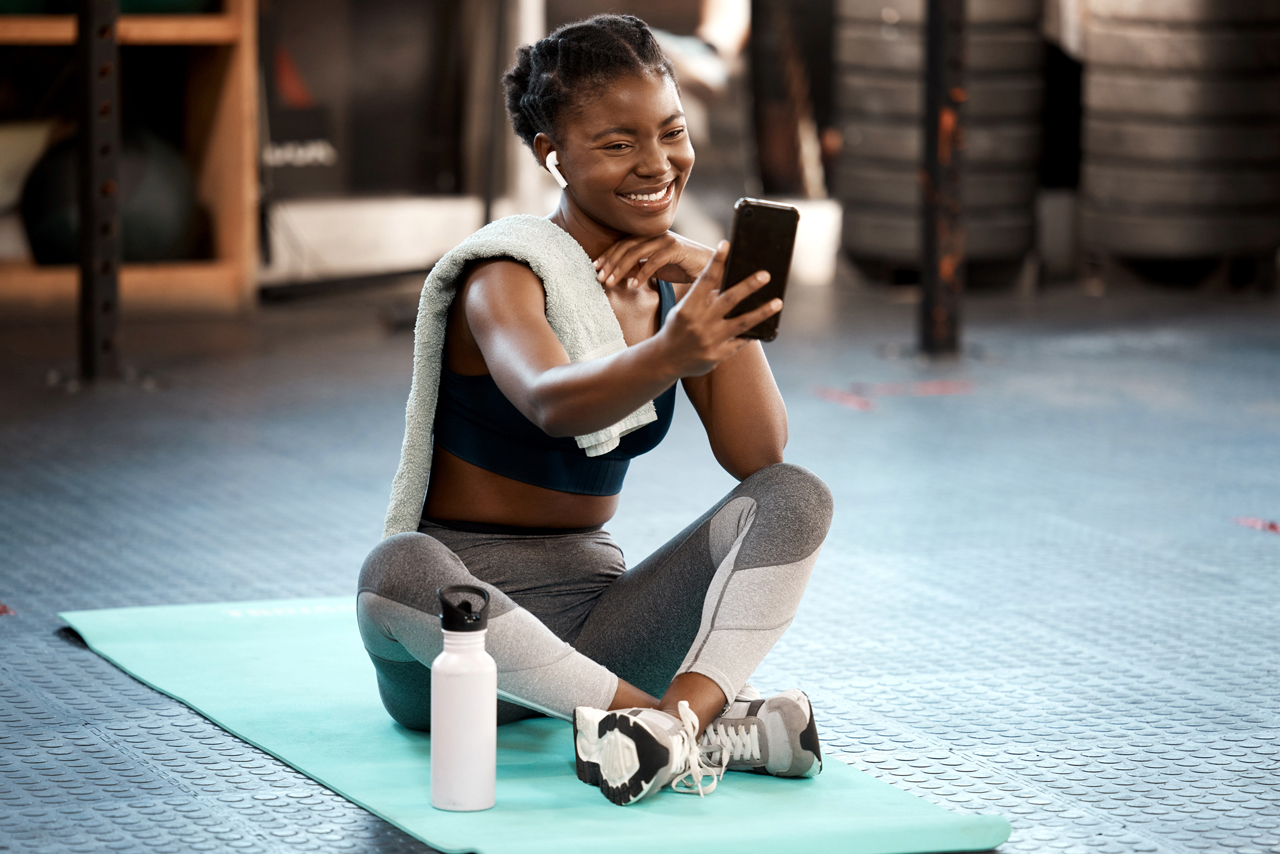 Prioritising personal growth, freedom and flexibility, solo wellness travel is becoming one of the most attractive forms of escape. European Spa sees this first-hand as our team travels to spas around the world. Hilton notes that more than 50 per cent of its respondents said they travel alone, and the tour operator Jules Verne reports that solo travellers accounted for 46 per cent of bookings for trips departing in 2026. Just under 70 per cent of its solo bookings are made by women.
Gen Z and Millennials are leading this evolution, opting for ‘self-cations’ to boost their mental health. “Solo wellness travel continues to rise because people are becoming more intentional about how they spend their time away,” says Stella Photi, founder of Wellbeing Escapes. “It’s no longer just about taking a holiday; it’s about self care, personal growth and re-grounding.”
Many health retreats lend themselves to a solo adventure, especially those focusing on fasting or spiritual transformation. For spa and wellness resorts, this new breed of guest has high expectations but is also adventurous and willing to explore new cultures and nature-based experiences. […]
“While drawn to the idea of focusing on their own needs, many people find that while they arrive alone, they leave feeling part of a like-minded community,” says Photi.
WHAT IT MEANS FOR SPAS…
This burgeoning new wave of travel requires specific wellness programming with options for solitude and curated connection. Flexibility and personalisation must meet the guest’s needs.
The Ozempic effect
How the use of GLP-1 weight-loss medications is redefining spa services
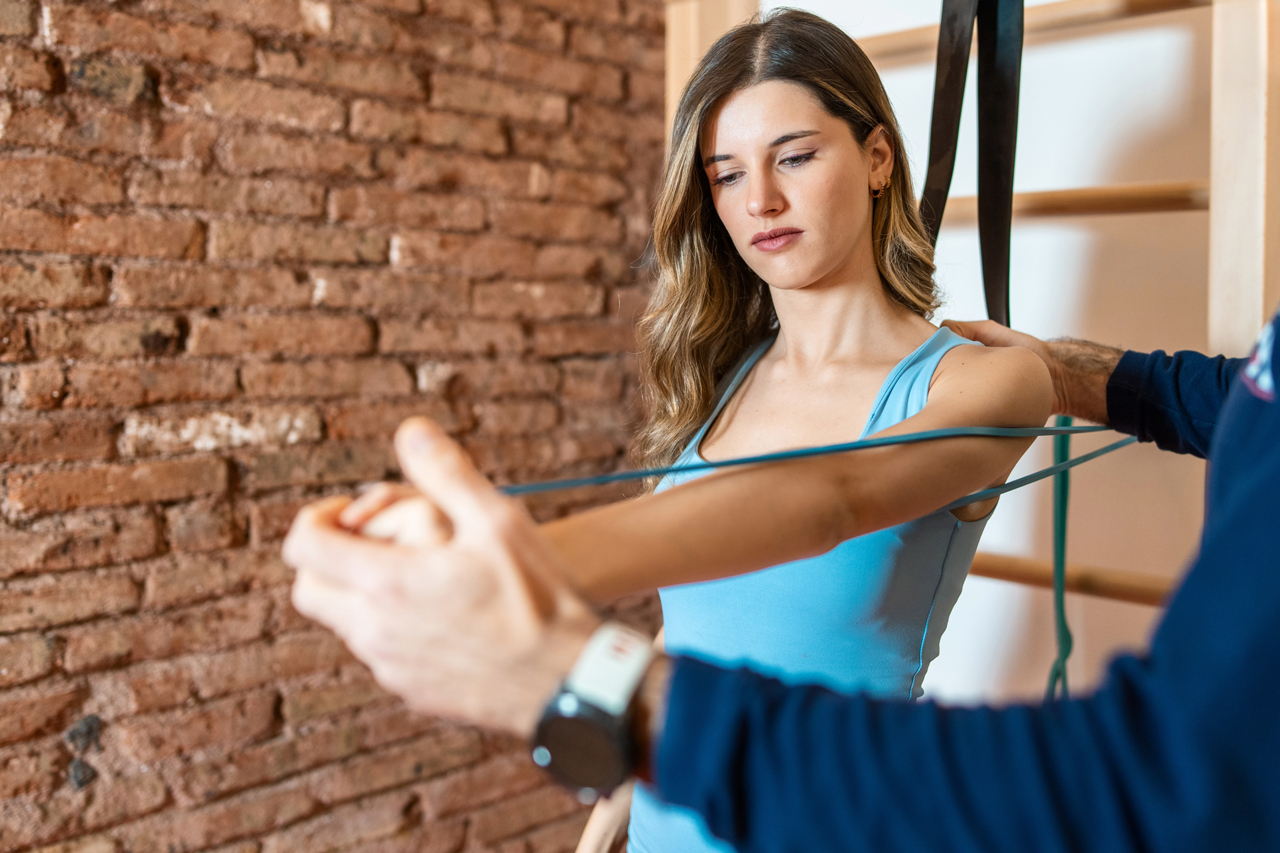 The use of weight-loss drugs is rising globally and European Spa has previously reported on how it is changing the way spas deliver some services. The World Health Organisation has endorsed GLP-1s as a tool for managing obesity as part of a broader plan including behavioural therapy, diet and exercise, which spas are well placed to deliver.
While the benefits can be transformational, side effects can include nausea, vomiting, bloating, constipation and diarrhoea. Muscle loss and what is commonly referred to as ‘Ozempic face’ – where fat is lost from the face – are also a concern. Research from the University of Oxford states that many people put most of their weight back on within a year of stopping the drugs.
“Weight-loss injections can be a powerful tool, but it’s important to be mindful of side effects and the need for ongoing support,” says Sarah Dalton, group director of wellbeing at Jumeirah. […]
WHAT IT MEANS FOR SPAS…
Education, nutritional advice and health counselling – alongside improvements in diet, exercise and strength training – are key to achieving effective long-term results for guests using weight-loss drugs.
The road to recovery programming
From contrast therapy to compression technology, wellness travellers are seeking restoration and rejuvenation as part of their experience
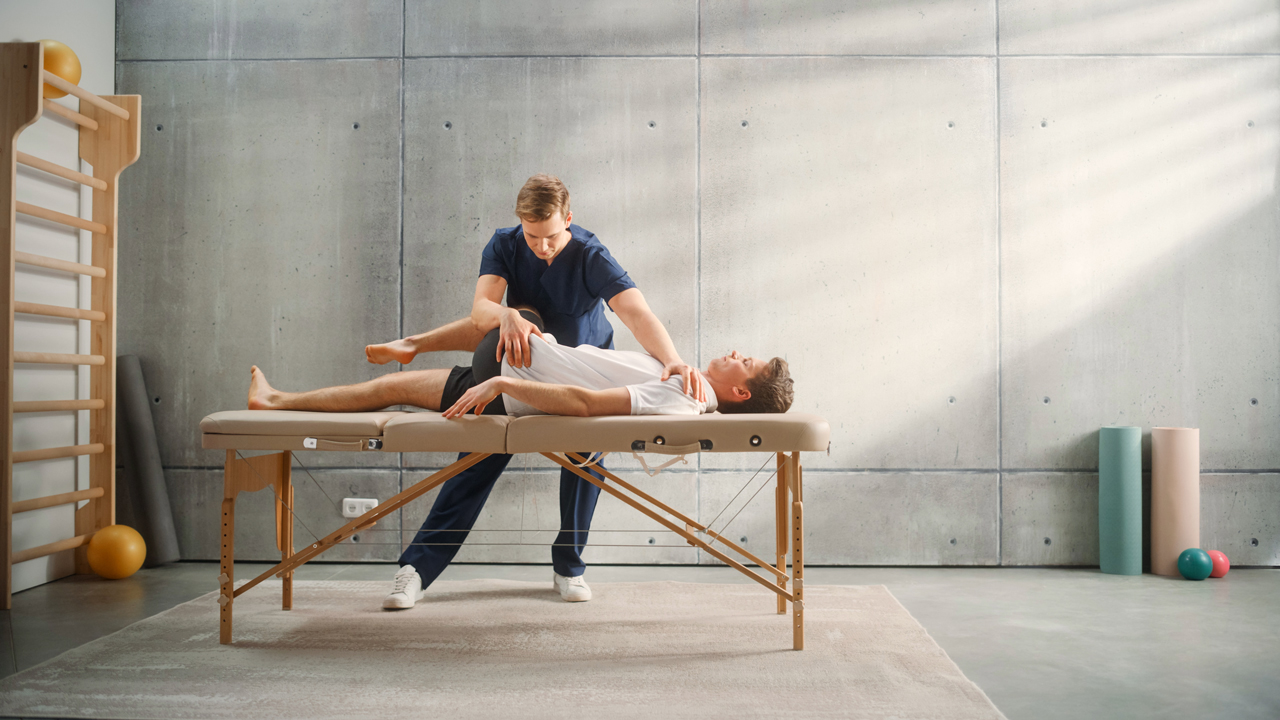 Recovery programming is a core focus for fitness clubs and social wellness spaces and it’s a movement that European Spa predicts will continue to grow. Broadly speaking, recovery is the application of science and technology – through modalities including cold and heat, red light therapy, sleep, nutrition and supplements – to speed healing, reduce inflammation and boost physical and mental repair.
Gen Z spa guests see recovery as central to both performance and long-term health, combining restoration, balance, social connection and wellbeing.
“We’re realising how much recovery and sleep contribute to our health – in part due to an increased awareness of recovery’s role in our mental and physical health,” says Jamie Moore, director of fitness and recovery at SIRO Hotels. “We have more information than ever available online and on social media, so it’s more accessible to many.” […]
“There’s quite a lot of movement in this space,” says Amanda Al-Masri, Hilton’s global vice-president of wellness. “Even when we’re not necessarily putting in spas, we always try and think about recovery as an option or as an addendum to a fitness space.”
WHAT IT MEANS FOR SPAS…
With minimal investment, often using existing equipment and knowledge, spas can introduce recovery experiences to engage guests in new ways.
Embracing joyspan
A sense of purpose and increased happiness can boost your guests’ quality of life
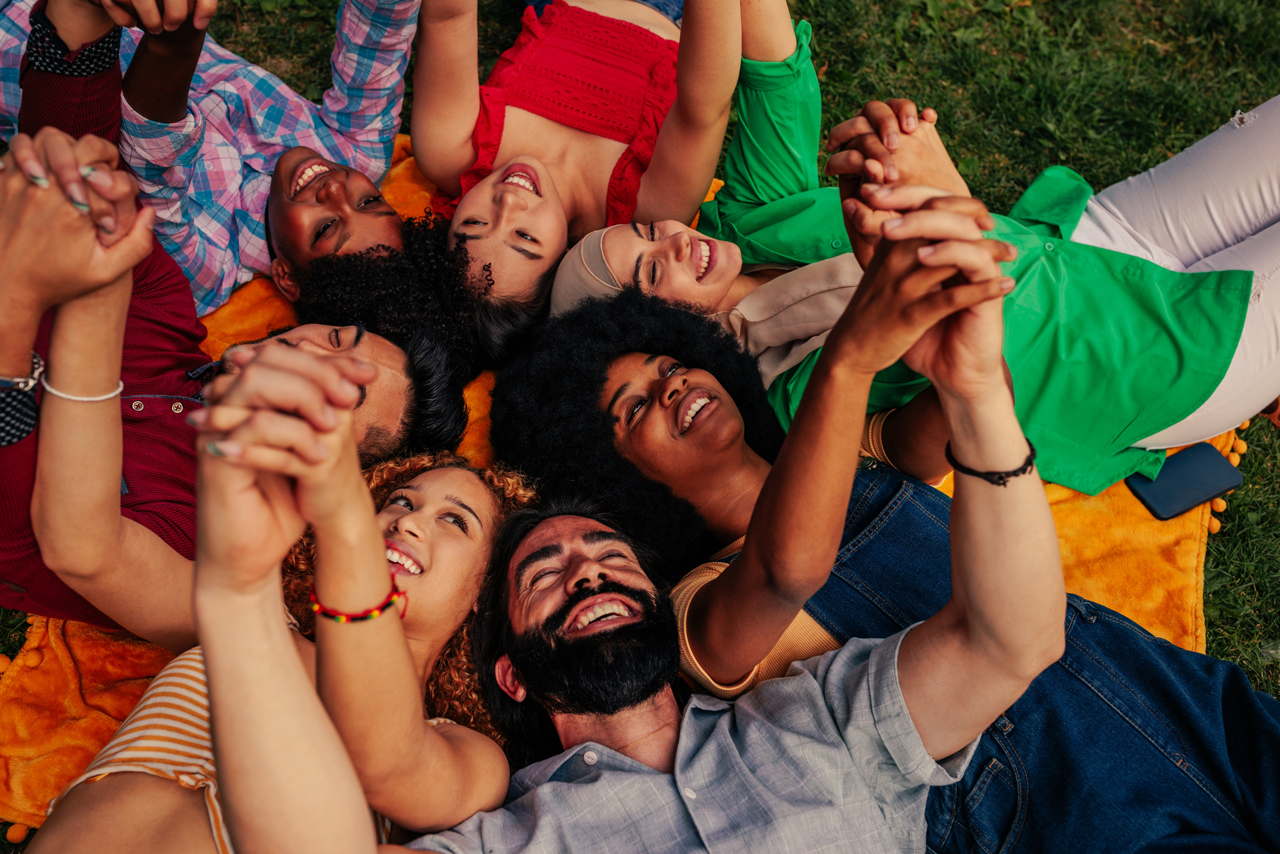 While the industry is buzzing with talk of longevity, European Spa has observed the growing importance of joyspan to living a long, purpose-led and fulfilled life. Dr Kerry Burnight, author of Joyspan: a Short Guide to Enjoying Your Long Life, says: “We obsess over living longer but have overlooked the most important part: the quality of our lives… this involves maximising physical health, cognitive function, emotional wellbeing, social connections and a sense of meaning.”
Many industry leaders highlight the role of joy and purpose to longevity, including Marina Efraimoglou, founder of Euphoria Retreat, who developed the Feel Alive Again retreat to promote joy and purpose.
Anna Bjurstam, wellness pioneer at Six Senses, adds: “If we truly aim to extend life, we must also expand what it means to live. Science shows that spiritual practices are linked to lower mortality, less depression and reduced suicide risk, but beyond the data, they give us meaning, belonging and connection.” […]
“Spa visits have traditionally been considered as pampering and soothing,” says László Puczkó, co-founder of HTWWLife. “What the next level contribution to joyspan suggests is the conscious curation and orchestration of these joyous moments.”
WHAT IT MEANS FOR SPAS…
Spa leaders should consider curating programmes that foster feelings of meaningful connection, belonging, purpose and joyful moments to help boost guest wellbeing.
Skin health: connecting mind and body
The gut-skin axis and the influence of psychodermatology are increasingly important in the delivery of highly personalised facial treatments and skincare
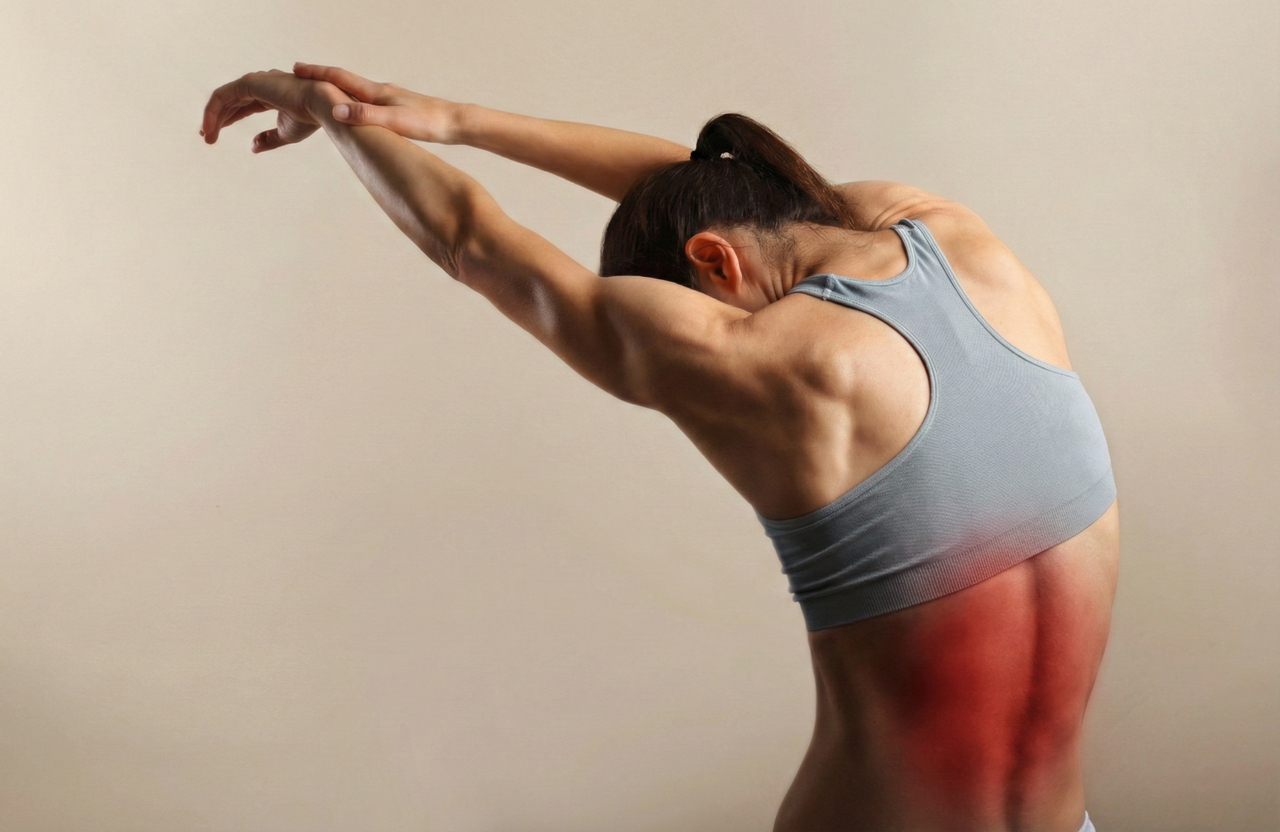 Skin sensitivities are flaring due to modern lifestyles and environmental pollution. Stress and mental health also play a large role as they can damage the skin’s protective barrier and heighten nerve responses, leading to redness, itching and irritation. As scientific knowledge grows, so too does our understanding of the body’s internal responses and interconnections, including the role of the gut-skin axis and how the mind and skin are interlinked. […]
Additionally, the concept of psychodermatology is gaining traction, exploring how physical, mental and emotional wellbeing are all linked to each other. “Psychological factors, such as high stress levels from work or our relationships, can also have a negative impact on our skin,” says consultant dermatologist, Dr Justine Kluk.
Brands have responded with skincare and facial treatments designed to address many of these concerns. The market for microbiome skincare was valued at $435m in 2024 and is expected to grow 12 per cent every year until 2030, according to Grand View Research. These products focus on supporting the skin’s natural ecosystem to strengthen its barrier, reduce inflammation and prevent issues like acne and sensitivity. […]
WHAT IT MEANS FOR SPAS…
Well educated teams should offer in-depth consultations to ensure all skin concerns are properly addressed with the correct treatment and product recommendations, including options for balancing the microbiome or lifestyle advice for managing stress.
Spiritual curiousity takes centre stage
Soulful programming based in mysticism and astrology weaves its spell in spas
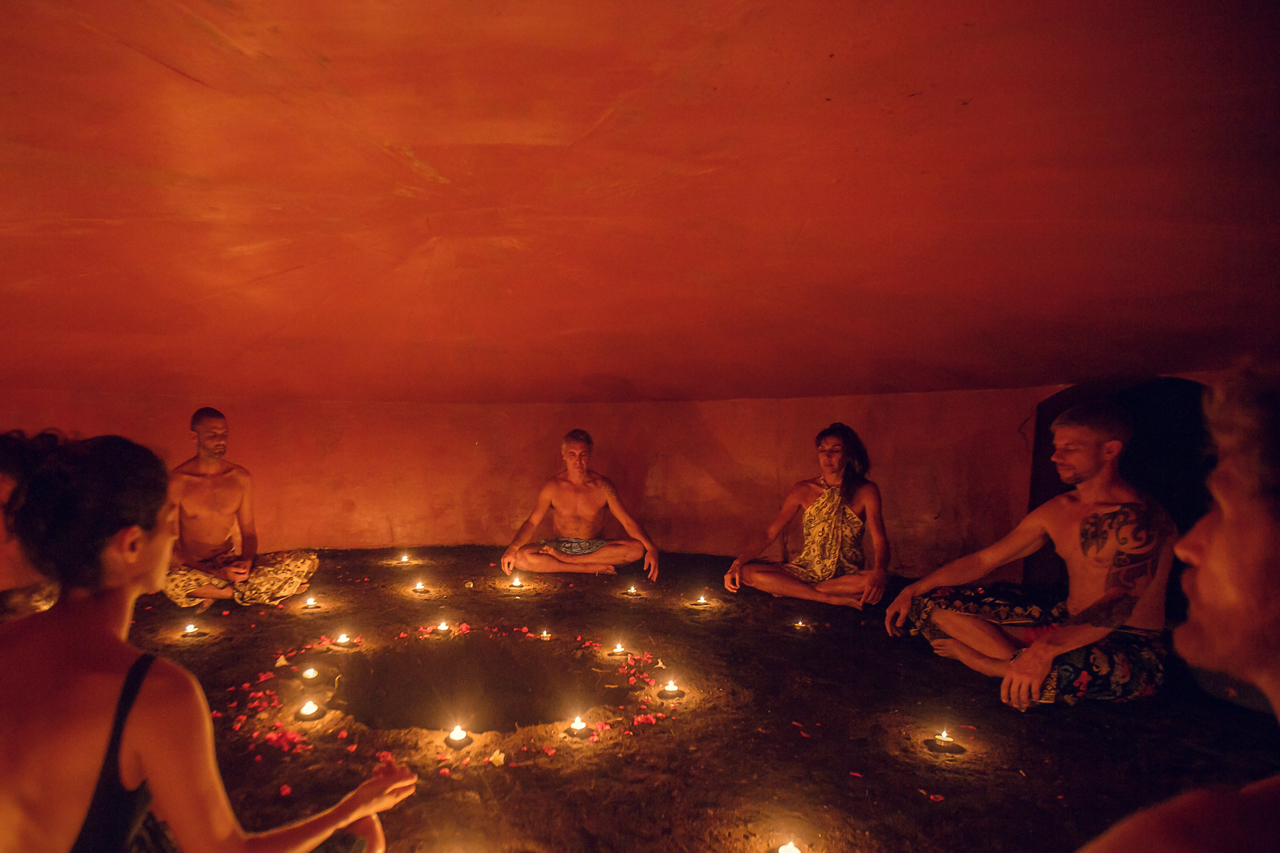 The wellness sector has long been a safe space for all things holistic, alternative or intuitive, but European Spa expects the trend for seeking deeper meaning to explode in 2026. According to a recent British government census, shamanism is the fastest-growing belief system and the number of people practicing paganism is soaring. Worldwide, astrology is having a resurgence, stargazing has become a preferred way to meditate and the ‘spiritual but not religious’ trend has spiked on social media along with drumming circles, aura readings and smudging.
As less conventional beliefs surge in popularity, spas have begun to offer more esoteric services; Zodiac facials use botany and oils matched to lunar signs, while intention-setting moon bathing rituals are appearing on menus. […]
WHAT IT MEANS FOR SPAS…
Many people yearn for a sense of orientation and greater spirituality. Work with partners to create meaningful, thoughtfully curated offerings that help guide guests towards spiritual self-awareness.
The longevity shift
How specialist health resorts and clinics are elevating the art of ageing well
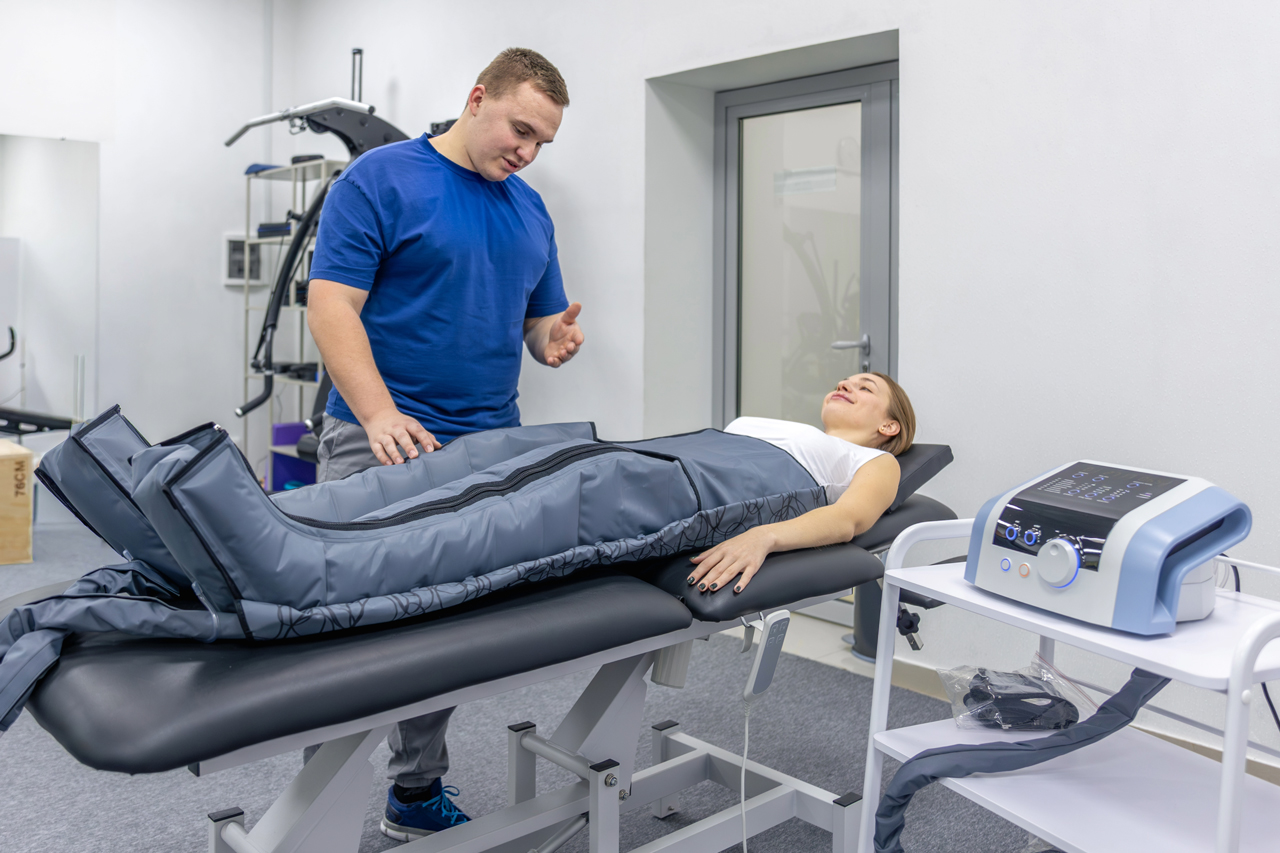 Self-prescribed med-cations are now a go-to option for travellers seeking experiences that offer perceptible benefits to their health and functionality, both physical and psychological.
An intensive longevity break can encompass anything from bloodwork and biohacking to medical treatments and cutting-edge therapies. Bespoke programming and interventions are followed by a tailored roadmap for long-term health. […]
WHAT IT MEANS FOR SPAS…
Longevity technology and programming is on the rise but must be invested in wisely. […]
The rise of the machines
Is technology poised to help spas ease therapist workloads and expand their offer?
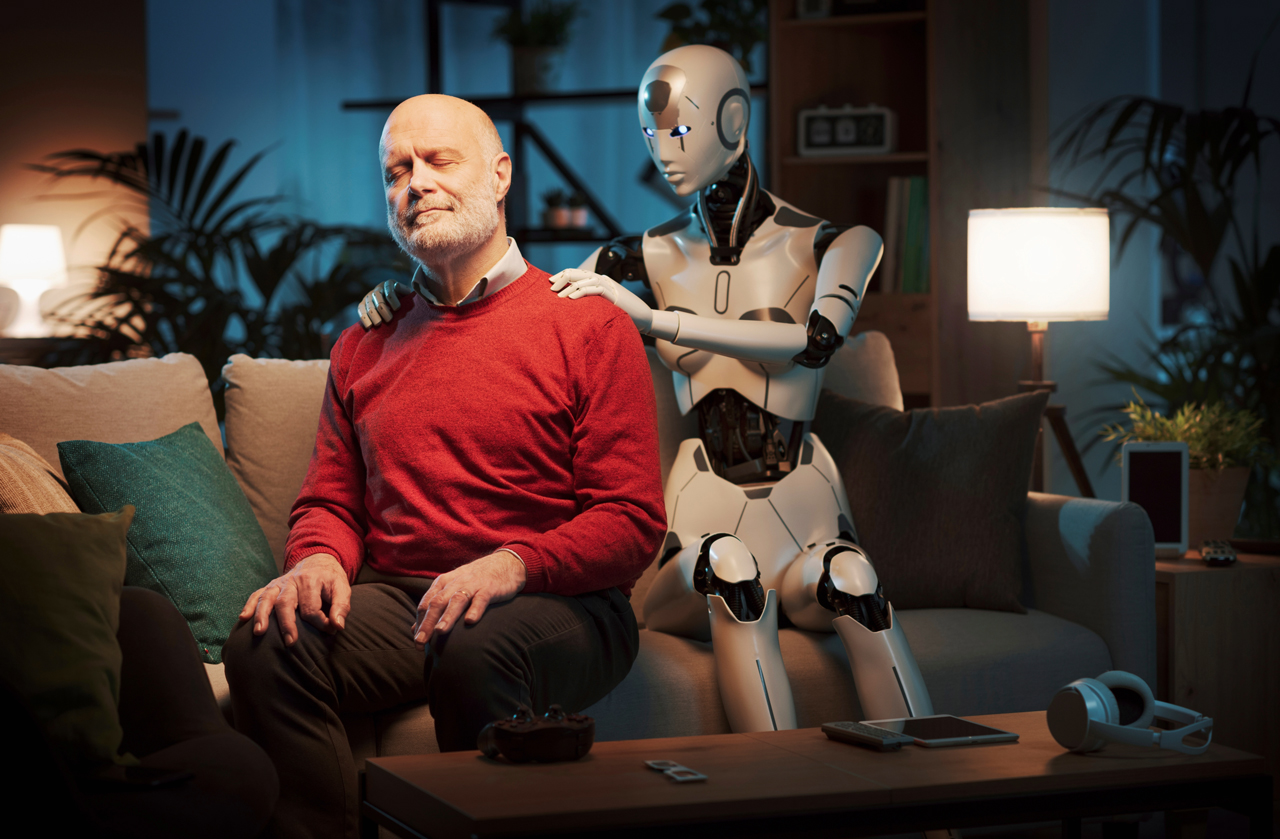
At the heart of all successful spa programming is the power of human touch, delivered by empathetic and highly trained professionals. This connection is key – yet advances in massage robots could present new opportunities to serve customers and extend the reach of spas.
The global robot massage market is poised for huge growth. An estimated market size of $500m in 2025 is predicted to hit $750m by 2027. Advancements in AI and haptics are continuously enhancing the precision and efficacy of massage robots. The technology is increasingly able to learn what guests like and adapt techniques in real time to ensure every massage feels made for them. […]
Advantages include easing therapist workload and manual strain, navigating recruitment issues and maximising revenue by increasing operating hours.
“Robotic systems aim to deliver the same level of care at every session – combining strict protocol consistency with a high degree of personalisation,” says Dennis Ledenkof, CEO and founder of roboSculptor. “I believe spas will increasingly adopt a more hybrid model in which robotics handle tasks that demand physical effort and precision… while therapists focus on what humans do best: facilitating healing and providing empathy.”
WHAT IT MEANS FOR SPAS…
With considerable upfront costs, spas interested in extending their touch offering with robotics must ensure any investments add to delivering a meaningful and immersive guest experience.
Source: European Spa Leaders’ Resource 2026
Read more here: https://europeanspamagazine.com/leaders-resource/